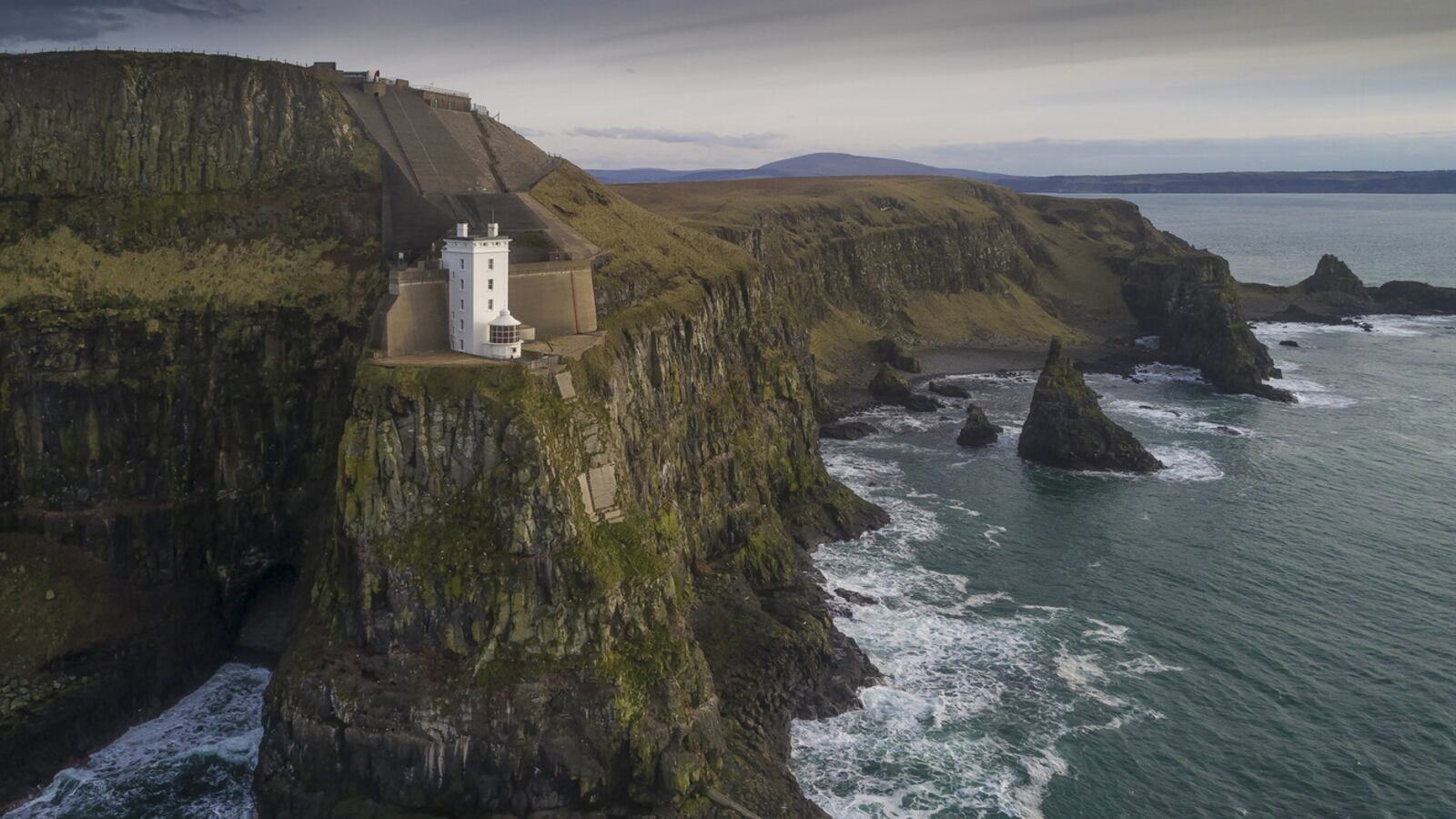
Rathlin Island is Northern Ireland's only inhabited offshore island and faces unique challenges linked to energy resilience, transport connectivity, resource management and climate adaptation.
Future Island-Island is a design-led research project funded by the Arts and Humanities Research Council (AHRC) as one of four Green Transition Ecosystems (GTEs) across the UK. Led by Ulster University, in partnership with Queen’s University Belfast, University of the Arts London and Glasgow School of Art, the project is being delivered in two phases from 2023 to 2028.
Using a place-based and community-led approach, the project works directly with Rathlin residents to identify practical net-zero and climate adaptation solutions that reflect the island’s environmental, cultural and economic context.
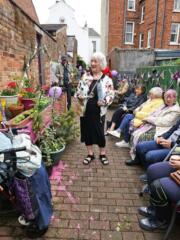
David Quinney Mee, Community Worker, Rathlin Development Community Association, stated: “With the support and resources provided, many residents have been able to explore interests they might not otherwise have had the chance to pursue. Extending the project gives us an opportunity to build on that progress and create lasting benefits for the community.”
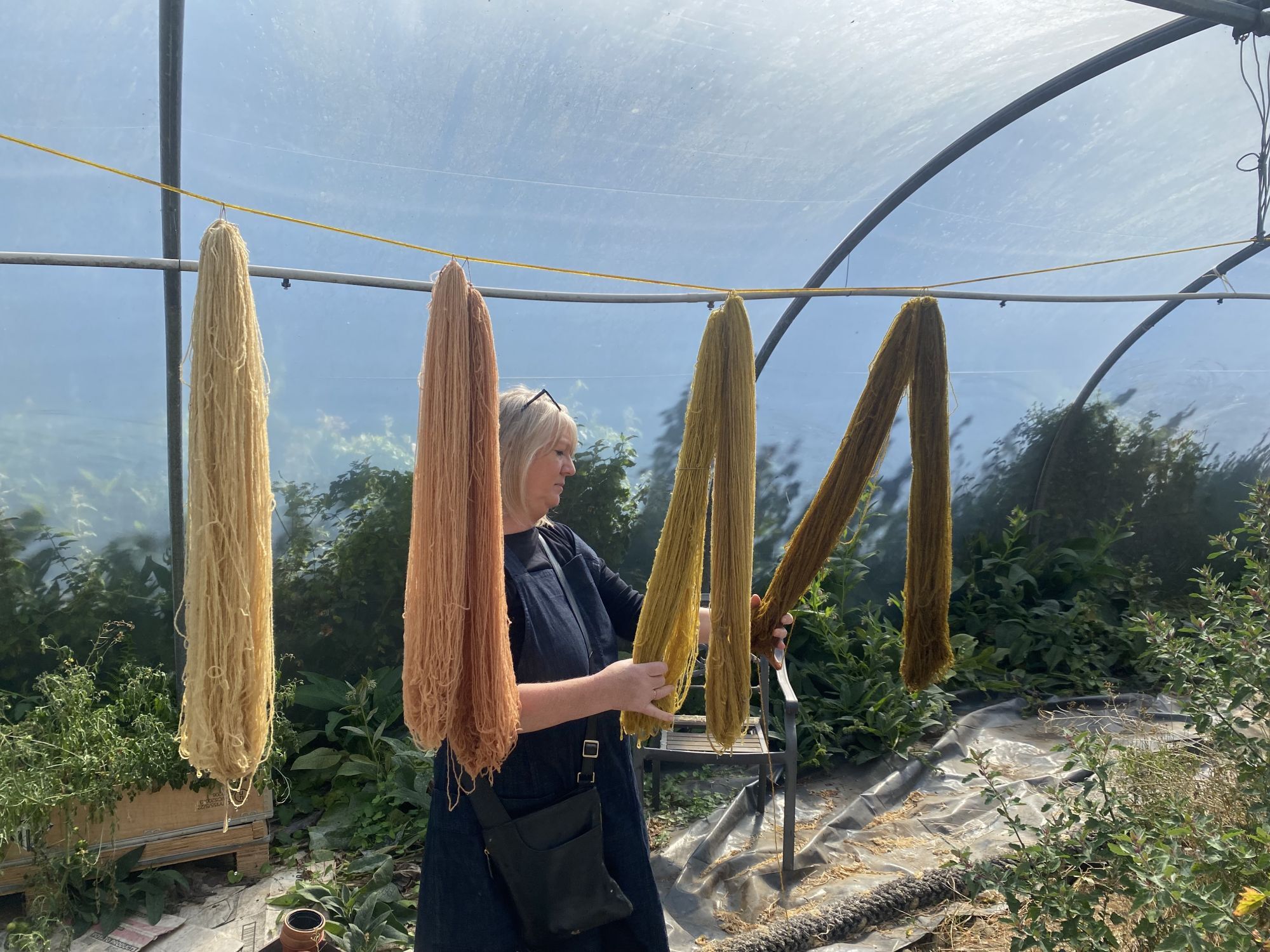
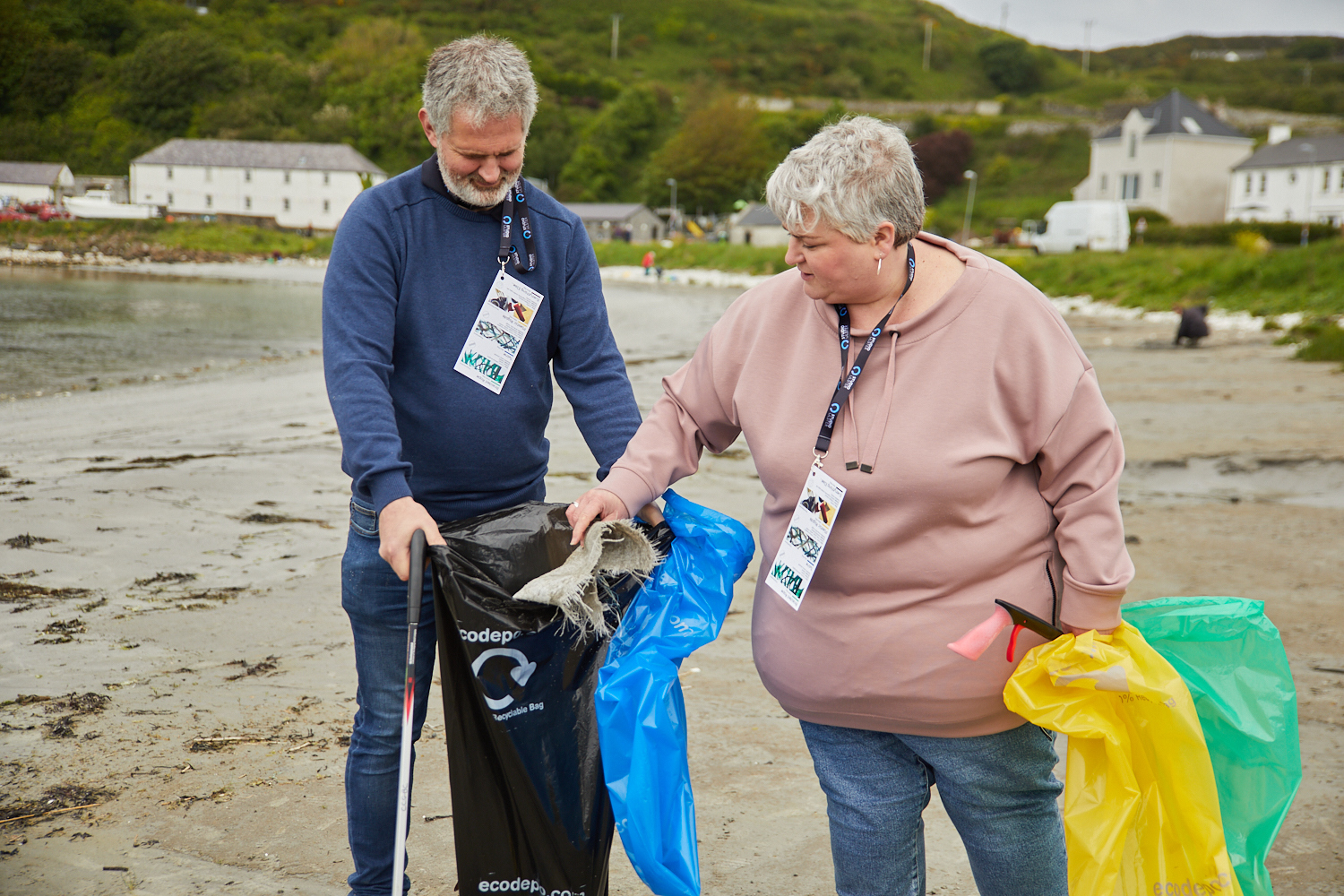
Examples of activities include transforming beach plastics into new products using 3D printing technologies, developing circular uses for locally produced wool, and creating immersive digital heritage experiences that support sustainable tourism.
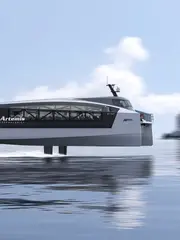
The project team also supports community-led discussions on net-zero transport and energy solutions, helping to explore options that enhance energy security and reduce dependence on carbon-intensive systems.
Together, these activities demonstrate how sustainability and climate adaptation can be embedded in everyday island life while protecting local culture and identity.
Future Island-Island provides a scalable model for place-based sustainability, circular economy practice and climate adaptation in remote and rural settings.
By combining community knowledge with design-led innovation, the project is helping Rathlin Island explore pathways towards a more resilient, circular and low-carbon future.
This includes building local capacity, creating new opportunities linked to circular materials, digital innovation, education and sustainable enterprise and supporting a just transition for island residents.
Lessons from Rathlin are now informing wider discussions on green transition across Northern Ireland, Ireland, Scotland and other island and coastal communities, offering a practical reference point for policymakers and practitioners working on resilience, decarbonisation and rural development.