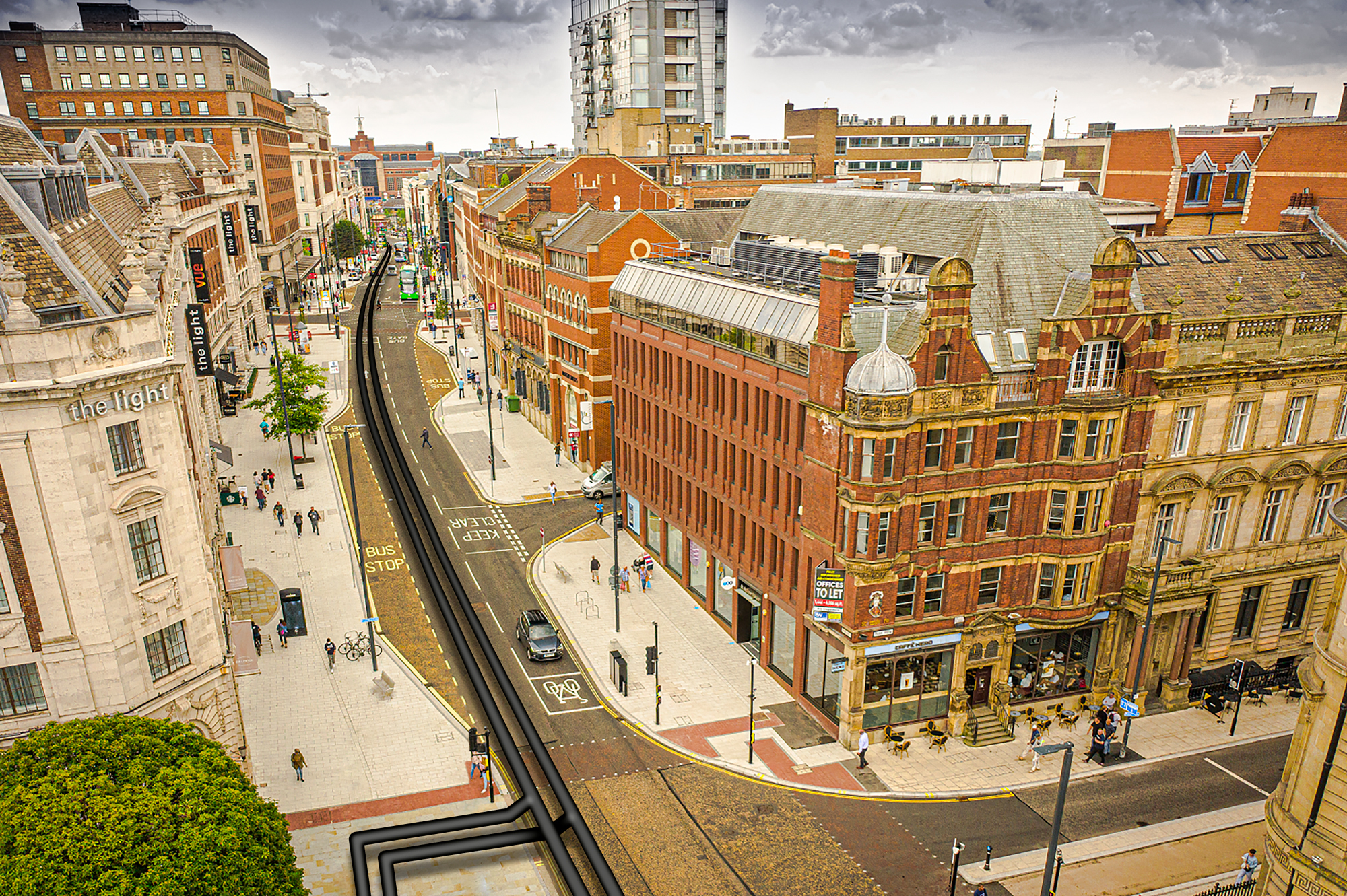
Heat accounts for roughly 44% of the energy Northern Ireland uses, yet it gets a fraction of the attention given to wind farms and electric vehicles. That is starting to change. District heat networks, which pipe hot water from a central source to many buildings, are increasingly described as a 'fifth utility' alongside electricity, gas, water and telecoms, a case Savills made recently for Great Britain.
For a region where home heating oil still dominates, the scale of the prize is obvious. The harder question is no longer whether heat networks are a good idea, but how to get them built here.
A modest baseline, but real appetite
Northern Ireland starts from a low base: about 100 heat networks, mostly communal systems running on fossil fuels, serving around 3,000 consumers. But the Department for the Economy's 2025 spatial heat study pointed to significant potential for low-carbon networks, and momentum is beginning to grow.
In August the Department consulted on the first locally led regulatory framework for heat networks. Under it, the Utility Regulator would authorise operators, and existing metering and billing protections would carry over before the UK-wide 2014 regulations are revoked in 2027.
Belfast City Council, meanwhile, is progressing Northern Ireland's first city-centre low-carbon network, a priority of its Local Area Energy Plan, with a tender notice pencilled in for January 2027 and a concession expected to run for 40 years.
Getting pipes in the ground
Regulation and ambition do not lay pipes though. A network needs a dependable heat source, whether waste heat from industry or data centres, energy from waste, large heat pumps, rivers, wastewater or the geothermal resource the Energy Strategy commits to trialling. It also needs enough committed customers nearby to justify the investment.
Then comes the route. Pipes must cross multiple ownerships, roads, watercourses and protected sites, and weave around existing development. Here that means early conversations with the council as planning authority, the Department for Infrastructure on roads, statutory consultees and landowners along the proposed route.
Schemes in Glasgow, Bristol and Yorkshire all started with early engagement with planners, communities and landowners, before any engineering work was planned.
It's also worth thinking ahead about other low-carbon infrastructure requirements before commencing a district heat project. If a street is being dug up to lay heat pipes, that's the ideal moment to build a segregated cycle lane, for example, rather than excavating the same road twice.
Meeting our demanding climate commitments depends on this kind of systems thinking: treating heat, transport and streets as parts of one system, not as separate challenges.
Demand is the other challenge. The Department's consultation covers consumer protection, not measures to stimulate connections. Great Britain is preparing heat network zoning, and Ireland's proposed Heat Bill would require certain public buildings to connect. Northern Ireland has no equivalent yet.
What needs to happen next
Three things would help turn potential into infrastructure:
- Legislate promptly, so investors and consumers have certainty before 2027.
- Use the public estate, including hospitals, campuses, council buildings and social housing, as anchor customers.
- Bring energy, planning, land and commercial expertise together as early as possible in the design process.
Heat networks last for generations. Treated as embedded infrastructure in the places they serve, rather than as stand-alone energy projects, they could give Northern Ireland lower-carbon heat and less exposure to imported fuel.
Perhaps the biggest shift is in how we think about heat itself: not as a boiler we buy and maintain, but as a utility we pay for as a service. Done well, that could mean lower bills and warmer, more comfortable homes.
We look forward to seeing the policy developments and pilot projects that will start to take it from concept to reality.