build
Case Study
Case Study

How Hope MacAulay Reduces Textile Waste Through Local, Slow-Fashion Production

How Local Artisan Networks and Farm-to-Yarn Sourcing Drive Sustainable Economic Growth

Katherine Kelly, Communications & Advisory

Katherine Kelly
Communications & Advisory

Posted

21st Oct, 2026

Length

3 minute read

Type

Case study

Information

place

Location

North Coast of Northern Ireland

ads_click

Impact Areas

Sustainable Fashion
Circular Economy
Social Impact
Ethical Sourcing

link

Related Links

Hope MacAulay


Tags


Share

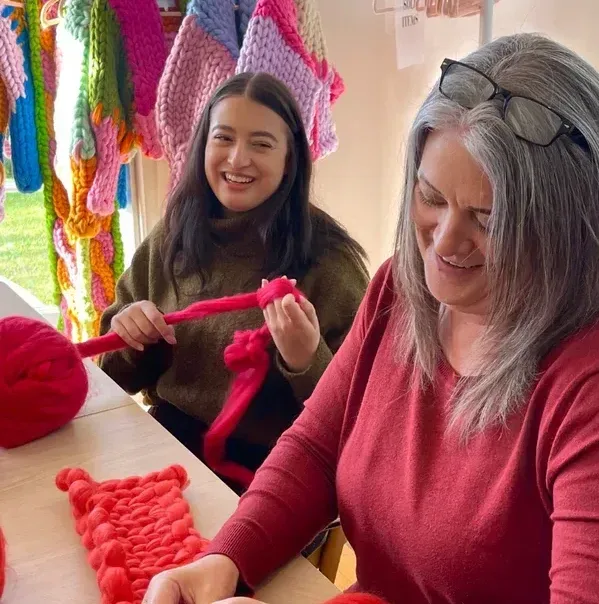
  • Hope Macaulay’s (Left) knitwear is handmade through a network of skilled makers working across Northern Ireland.
    Hope Macaulay’s (Left) knitwear is handmade through a network of skilled makers working across Northern Ireland.

Overview

Hope Macaulay is a woman-owned, family-run contemporary fashion enterprise founded on the North Coast of Northern Ireland. The brand combines modern slow-fashion principles with traditional textile craftsmanship, producing distinctive knitwear through a decentralised network of 20 skilled artisans working from home across Northern Ireland.

This model places local people and skills at the centre of production. Rather than separating design from making, Hope Macaulay connects the garment, the maker and the customer through a more visible and personal supply chain.

The Challenge

The modern apparel sector contributes significantly to environmental degradation through fast-fashion business models, overproduction, intensive resource use, carbon emissions and landfill accumulation of unwanted clothing and textiles.

The sector also faces a social and cultural challenge. Traditional rural craftsmanship and home-based textile work are under pressure, threatening local heritage while reducing flexible employment opportunities for skilled makers.

Approach 

Hope Macaulay has developed a slow-fashion model built around local production, responsible material sourcing, transparency and circularity.

  • Localised Handmade Production: Production relies on 20 skilled home-based knitters across Northern Ireland.
  • Made-to-Order & Supply Chain Transparency: To avoid overproduction, most pieces are made-to-order or produced in small runs. Customers can monitor their order's production stage via an interactive online Knitter Tracker.
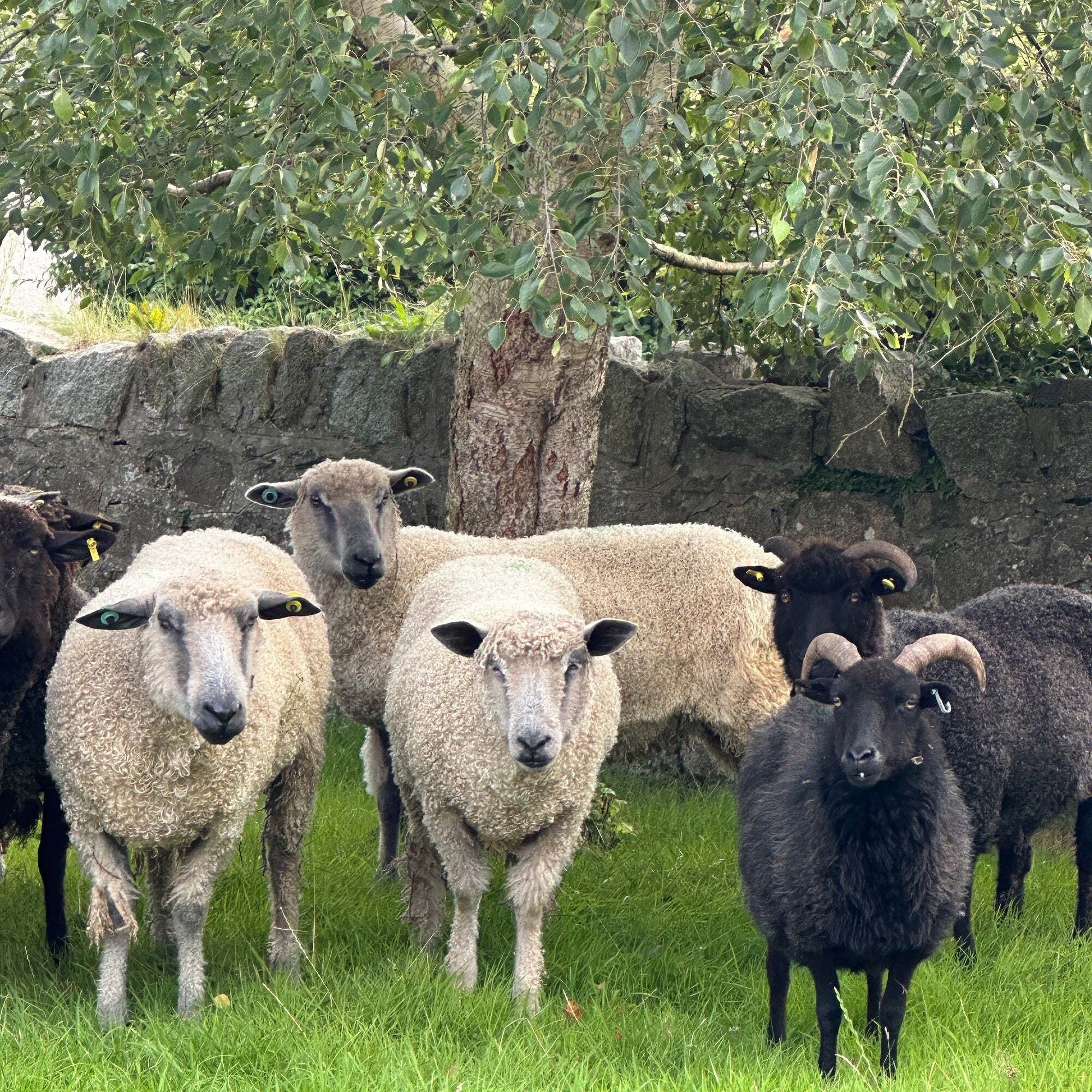
  • Ethical Sourcing & Farm-to-Yarn Traceability: The brand prioritises natural, renewable and biodegradable fibres, including Responsible Wool Standard-certified merino and Corriedale wool from non-mulesed sheep. Through a partnership with Ériu, the brand has also introduced cardigans made from 100% Irish wool. QR codes on garment labels enable customers to trace each piece back to the Irish farms where the wool originated.
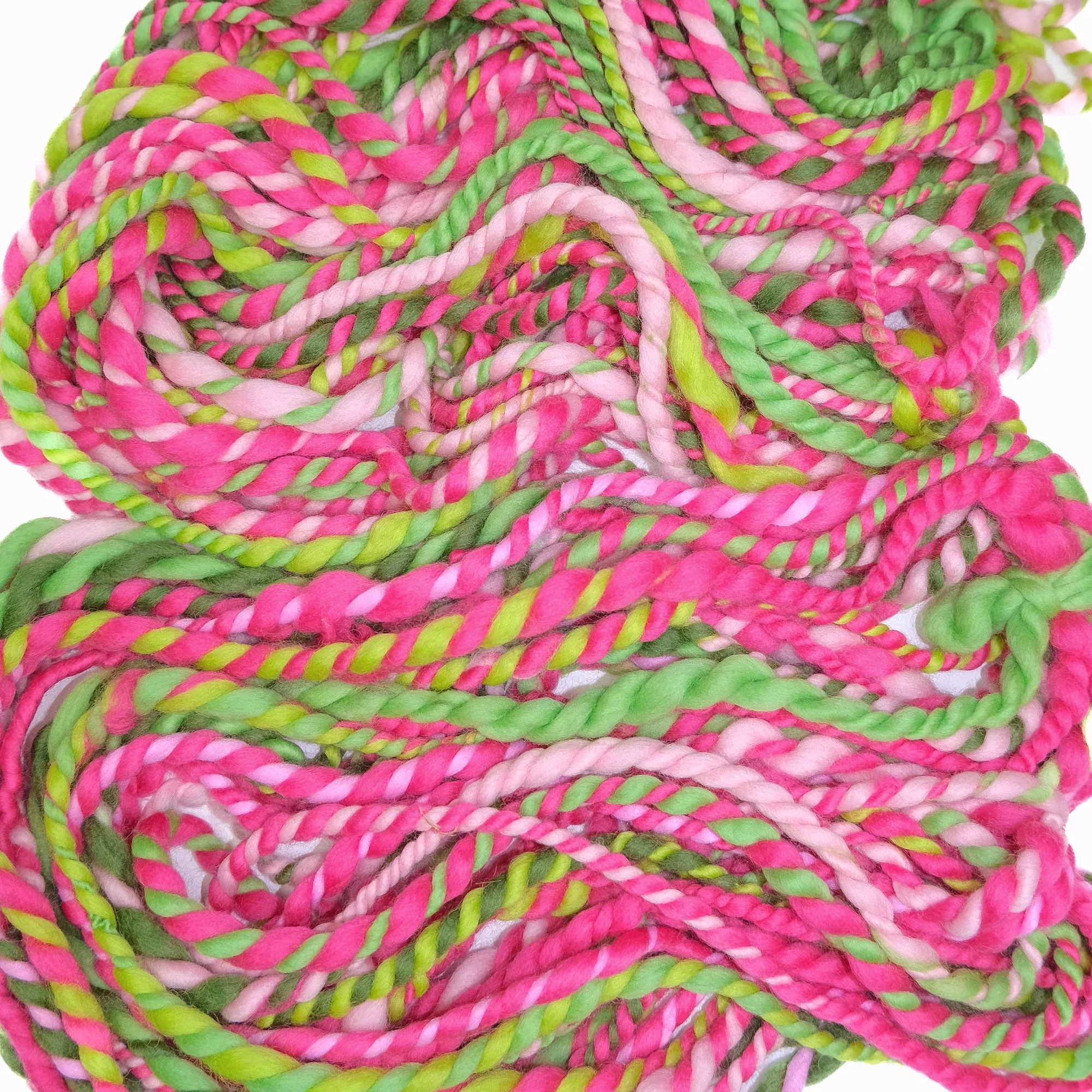
  • Zero-Waste Initiatives & Community Circularity: Material off-cuts are re-spun into zero-waste merino yarn and sold via Hope’s Wool for crafters or donated to local art and community groups.
  • Purpose-Driven 'Green Friday': Rather than discounting for Black Friday, the company runs "Green Friday," donating £10 per order to regional environmental causes.
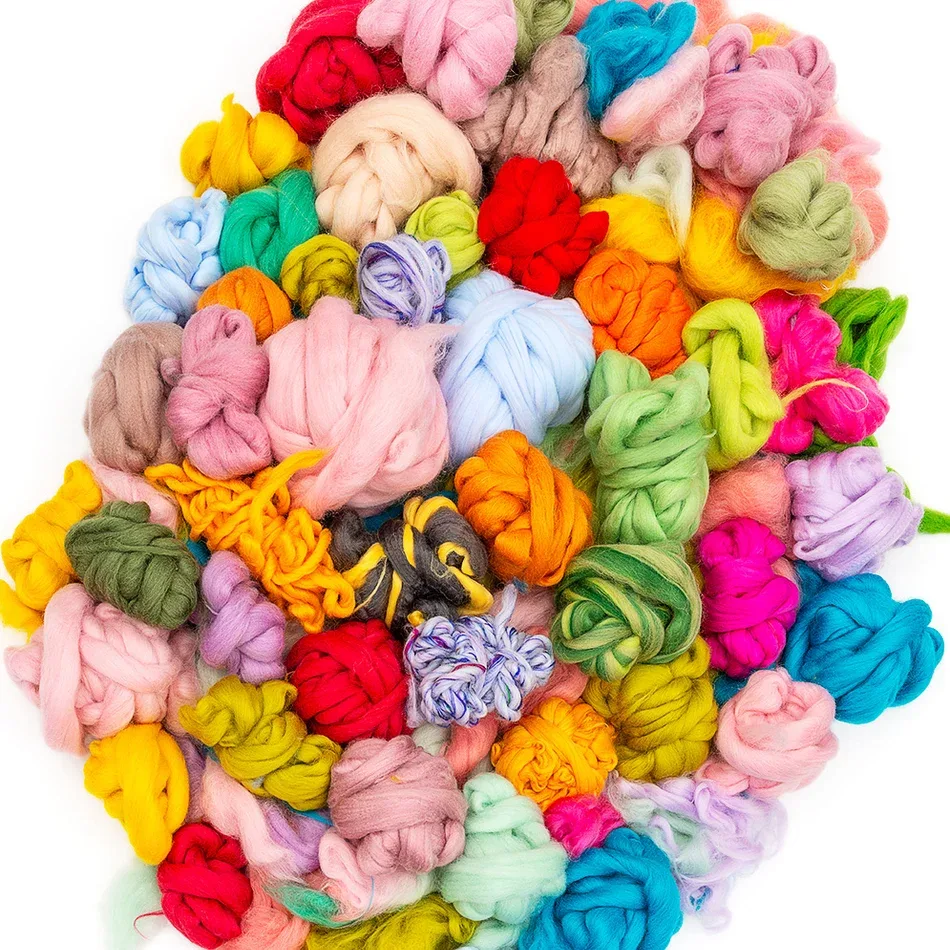
  • Wool off-cuts reused in packaging, or donated to local student makers and community craft groups
    Wool off-cuts reused in packaging, or donated to local student makers and community craft groups
  • Traceable 'farm-to-yarn' wool supply chain
    Traceable 'farm-to-yarn' wool supply chain
  • Off-cuts are spun into Zero Waste Yarn
    Off-cuts are spun into Zero Waste Yarn
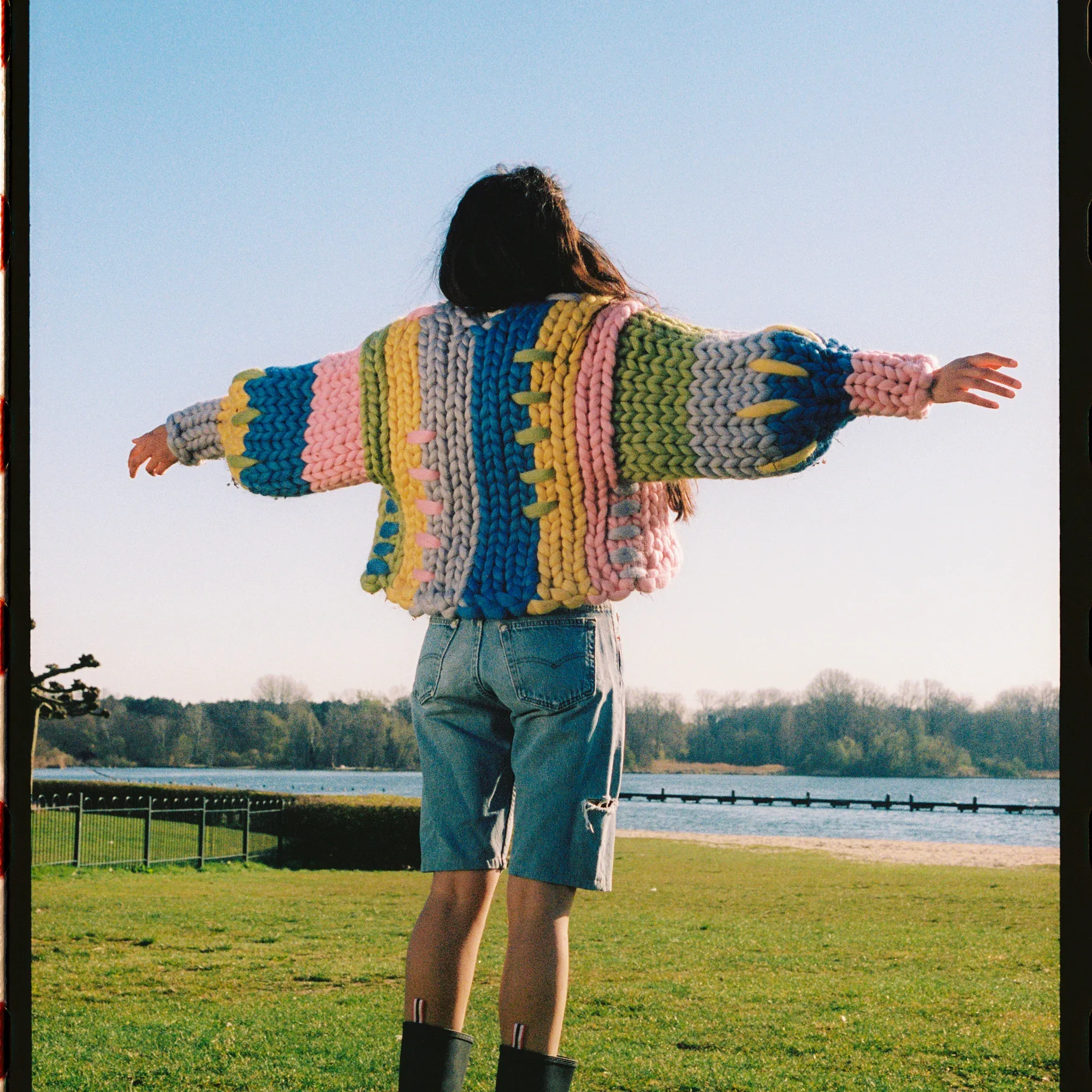
  • Leftover yarn is reused to make one-of-a-kind Scrap Cardigans
    Leftover yarn is reused to make one-of-a-kind Scrap Cardigans

Outcome

The business demonstrates that local production and ethical craftsmanship can form the basis of a commercially viable contemporary fashion brand. It also keeps skills, income and production value within the regional economy. By repurposing wool scraps into circular garments, yarn hanks, and community craft materials, the brand has developed a practical route for keeping textile resources in use.

This approach moves beyond waste reduction at the point of disposal. It considers surplus material at the design and production stages, where decisions can prevent waste from arising in the first place. They also support more informed purchasing by showing where materials come from and who contributes to the finished garment.

Why it Matters


Hope Macaulay demonstrates how sustainable economic development in Northern Ireland can combine environmental responsibility with local employment and cultural resilience.

Its model shows that circular production does not need to be limited to large-scale recycling infrastructure. It can also involve small, practical interventions: making fewer garments, producing locally, selecting materials carefully, reusing offcuts, tracing fibres and supporting community makers.

Generously supported by:
keyboard_arrow_up