history_edu
Article
Article

New Research Facility to Support Water Quality, Nutrient Management and Renewable Energy Innovation

Katherine Kelly, Communications & Advisory

Katherine Kelly
Communications & Advisory

Posted

22nd Jun, 2026

Length

3 minute read

Type

News

Share

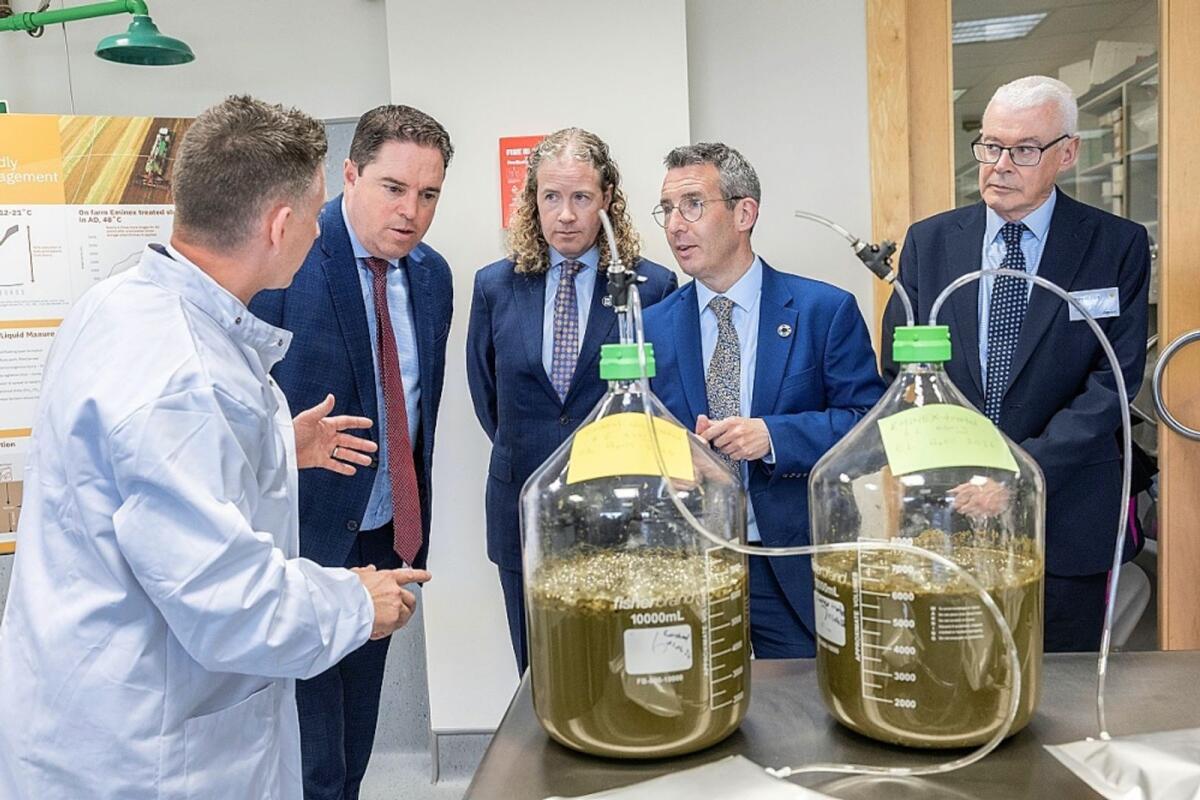
  • Dr. Patrick Ward Europe & Asia Pacific Applications Manager at Alltech explains some of the lab's innovations to Minister Martin Heydon, Department of Agriculture, Food, Fisheries and the Marine Ireland, Dr. Mark Lyons, Alltech president and CEO, Minister Andrew Muir, Department of Agriculture, Environment and Rural Affairs Northern Ireland, and CEO and Rory Mullen Head of Biopharma and Food at IDA Ireland. © Finbarr O'Rourke.
    Dr. Patrick Ward Europe & Asia Pacific Applications Manager at Alltech explains some of the lab's innovations to Minister Martin Heydon, Department of Agriculture, Food, Fisheries and the Marine Ireland, Dr. Mark Lyons, Alltech president and CEO, Minister Andrew Muir, Department of Agriculture, Environment and Rural Affairs Northern Ireland, and CEO and Rory Mullen Head of Biopharma and Food at IDA Ireland. © Finbarr O'Rourke.

A new research facility supported through a Northern Ireland government-backed programme is set to advance work on nutrient management, water quality improvement and renewable energy generation from agricultural systems.

Global animal nutrition company Alltech has officially opened its expanded EU Applications Laboratory at its European headquarters in Dunboyne, Co. Meath. 

The facility will serve as a centre for applied research focused on improving nutrient efficiency, reducing environmental impacts and supporting climate-smart farming practices.

The laboratory has received support through the Department of Agriculture, Environment and Rural Affairs (DAERA) Sustainable Utilisation of Livestock Slurry (SULS) project, which aims to reduce excess nutrients from livestock slurry and promote more sustainable nutrient management across Northern Ireland.

One of the key areas of research will be phosphorus management and water quality protection. Excess phosphorus from agricultural systems is recognised as a significant contributor to nutrient pollution in rivers, lakes and other freshwater environments.

The laboratory will investigate technologies and slurry treatment approaches designed to reduce phosphorus mobility and nutrient losses while improving nutrient retention within farming systems.

The research has particular relevance for Northern Ireland, where nutrient enrichment and declining water quality continue to be major environmental concerns.

Improved nutrient management practices could help reduce pollution entering rivers and streams that ultimately feed into sensitive water bodies such as Lough Neagh.
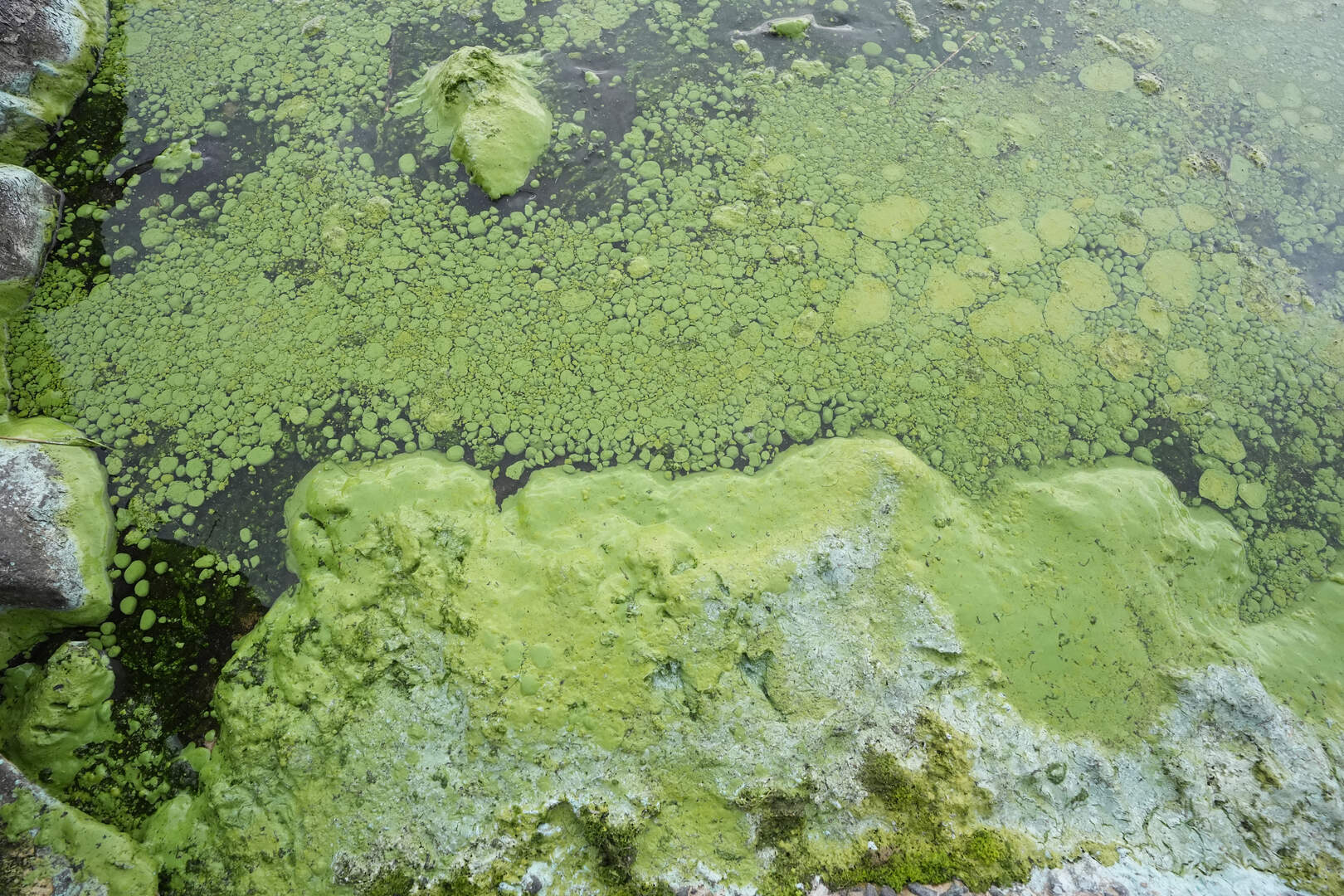
  • Blue-green algae concentrations on the shores of Lough Neagh in July 2024 © Niall Carson
    Blue-green algae concentrations on the shores of Lough Neagh in July 2024 © Niall Carson

Alongside water quality research, the laboratory will also explore opportunities to improve farm resource efficiency through better nutrient utilisation and more sustainable land application practices. 

By retaining more nutrients within agricultural systems, farmers may be able to reduce reliance on imported fertilisers while improving environmental performance.

Renewable energy generation is another major focus of the new facility.

Research into anaerobic digestion and renewable gas production aims to support the development of lower-carbon agricultural systems while contributing to wider energy security goals.

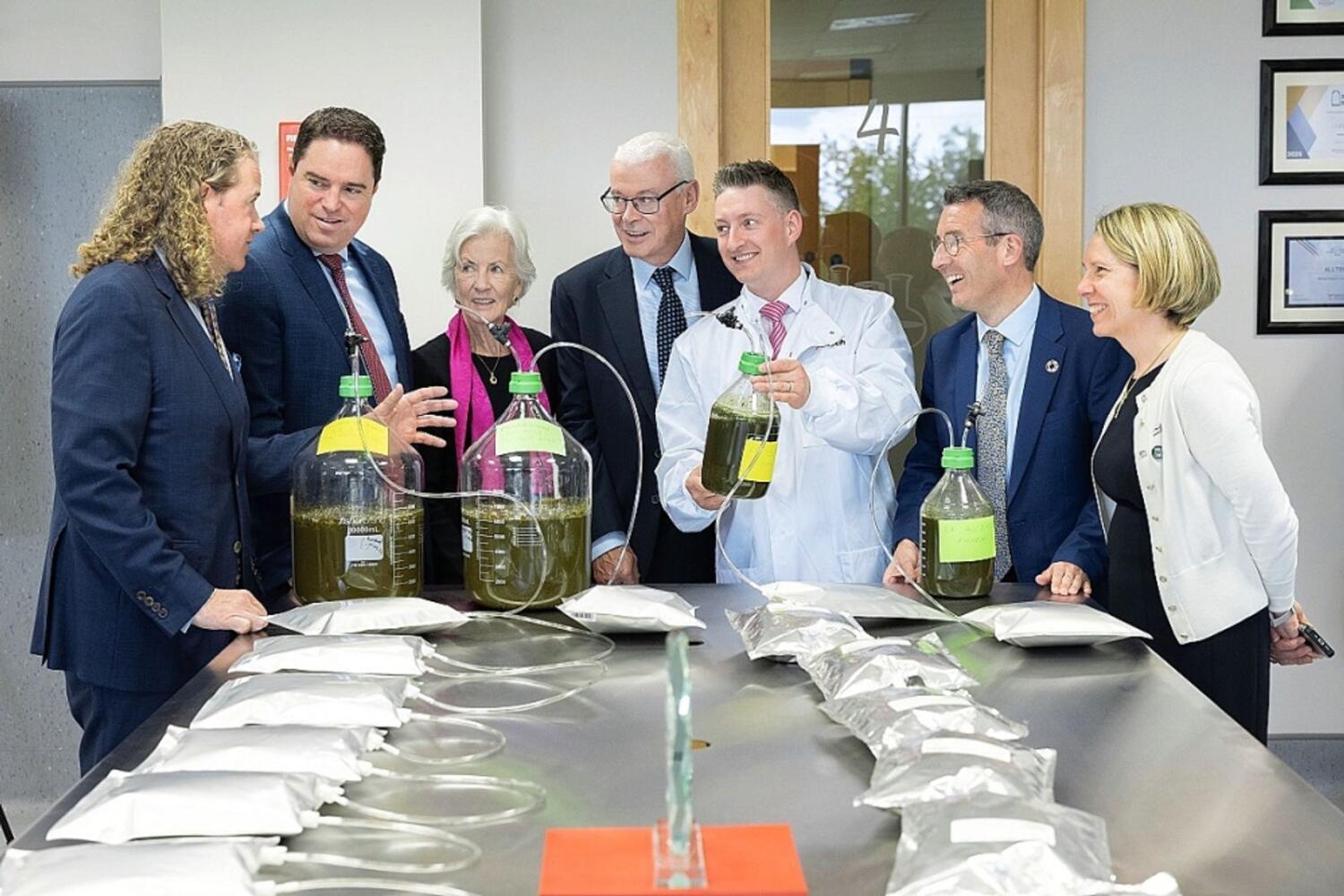
  • Dr. Mark Lyons, Alltech president and CEO, talks on anaerobic digestion. © Finbarr O'Rourke.
    Dr. Mark Lyons, Alltech president and CEO, talks on anaerobic digestion. © Finbarr O'Rourke.

The laboratory will also play a central role in Alltech's involvement in the Mid Ulster Biorefinery project, which has secured support through DAERA's SULS Small Business Research Initiative Fund. 

Working alongside partners CEMCOR, Tobermore and RSC, the project is developing innovative approaches to reduce phosphorus levels in livestock slurry while supporting improved water quality and more sustainable nutrient management.

Speaking at the opening, DAERA Minister Andrew Muir highlighted the importance of collaboration:

"This new laboratory is a tangible example of collaboration between industry, government and academia and will play an important role in delivering the applied research and innovation needed to support a more sustainable, productive and low-carbon future for agriculture."

The investment reflects a growing focus on innovation-led approaches that can help agriculture respond to climate, biodiversity and water quality challenges while maintaining productivity and supporting rural economies.

Generously supported by:
keyboard_arrow_up