Northern Ireland is the first region in the UK to trial a new digital air pollution assessment system.
The system is designed to improve environmental protection while streamlining planning processes.
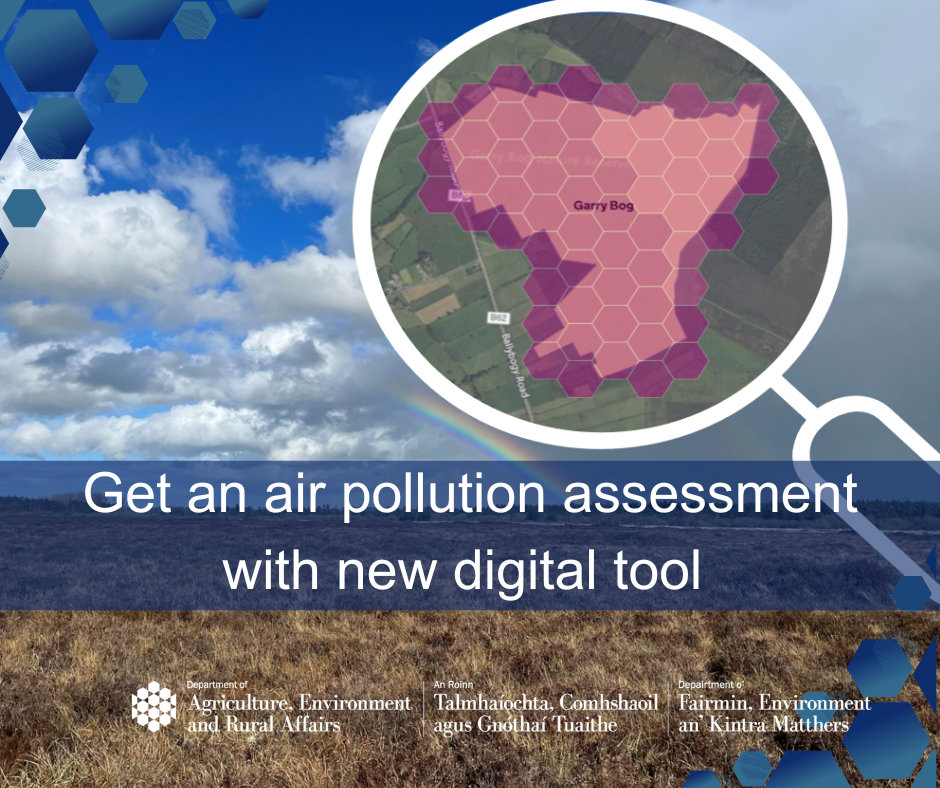
The “Get an air pollution assessment” service, formally known as the UK Air Pollution Assessment Service (UK APAS), has been launched as a pilot by the Department of Agriculture, Environment and Rural Affairs (DAERA).
The tool is intended to support more consistent and evidence-based decision-making in the planning system, particularly for developments with potential air quality impacts.
The system will allow applicants and planning authorities to model emissions of key pollutants, including ammonia and nitrogen oxides, and assess how these emissions may affect sensitive habitats.
It also provides visualisation of pollutant dispersion and deposition, offering a clearer scientific basis for evaluating environmental impacts.
DAERA Minister Andrew Muir said the tool will help improve environmental protection while also reducing planning delays and costs for applicants and consultants.
He also noted that, the system provides robust evidence to support decisions on developments such as road infrastructure and agricultural buildings.
The project has been jointly funded by DAERA, the UK Department for Environment, Food and Rural Affairs (Defra) and other environmental agencies, and developed by the Joint Nature Conservation Committee (JNCC).
It is based on a Dutch air quality modelling system and brings together previously fragmented approaches into a single, standardised platform.
The introduction of UK APAS is expected to improve transparency and consistency in environmental assessments while supporting the protection of habitats already under pressure from elevated nitrogen and ammonia levels across Northern Ireland.