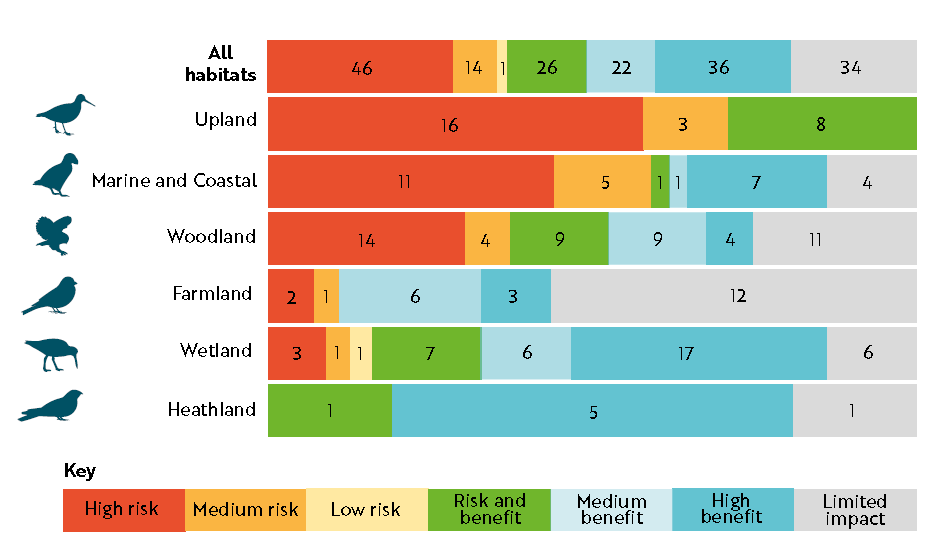
A major new scientific assessment has warned that climate change is fundamentally reshaping UK bird populations, with some species projected to decline by up to 70% by 2050, if global temperatures continue to rise and habitats are unable to adapt.
Published by the Royal Society for the Protection of Birds (RSPB) and the British Trust for Ornithology (BTO), the report Climate Change and UK Birds draws on decades of scientific monitoring to examine how rising temperatures, changing weather patterns and habitat loss are affecting bird populations across the UK.
The assessment comes as governments continue to develop climate adaptation and nature recovery strategies, reinforcing the importance of long-term ecological evidence in shaping future environmental policy and land management decisions.
The report finds that while some species are expanding their range northwards in response to warmer temperatures, many specialist birds, long-distance migrants and seabirds are struggling to adapt.
Species that rely on specific habitats or food sources are considered particularly vulnerable, with seabirds and upland birds identified among those facing the greatest long-term risks from climate change.
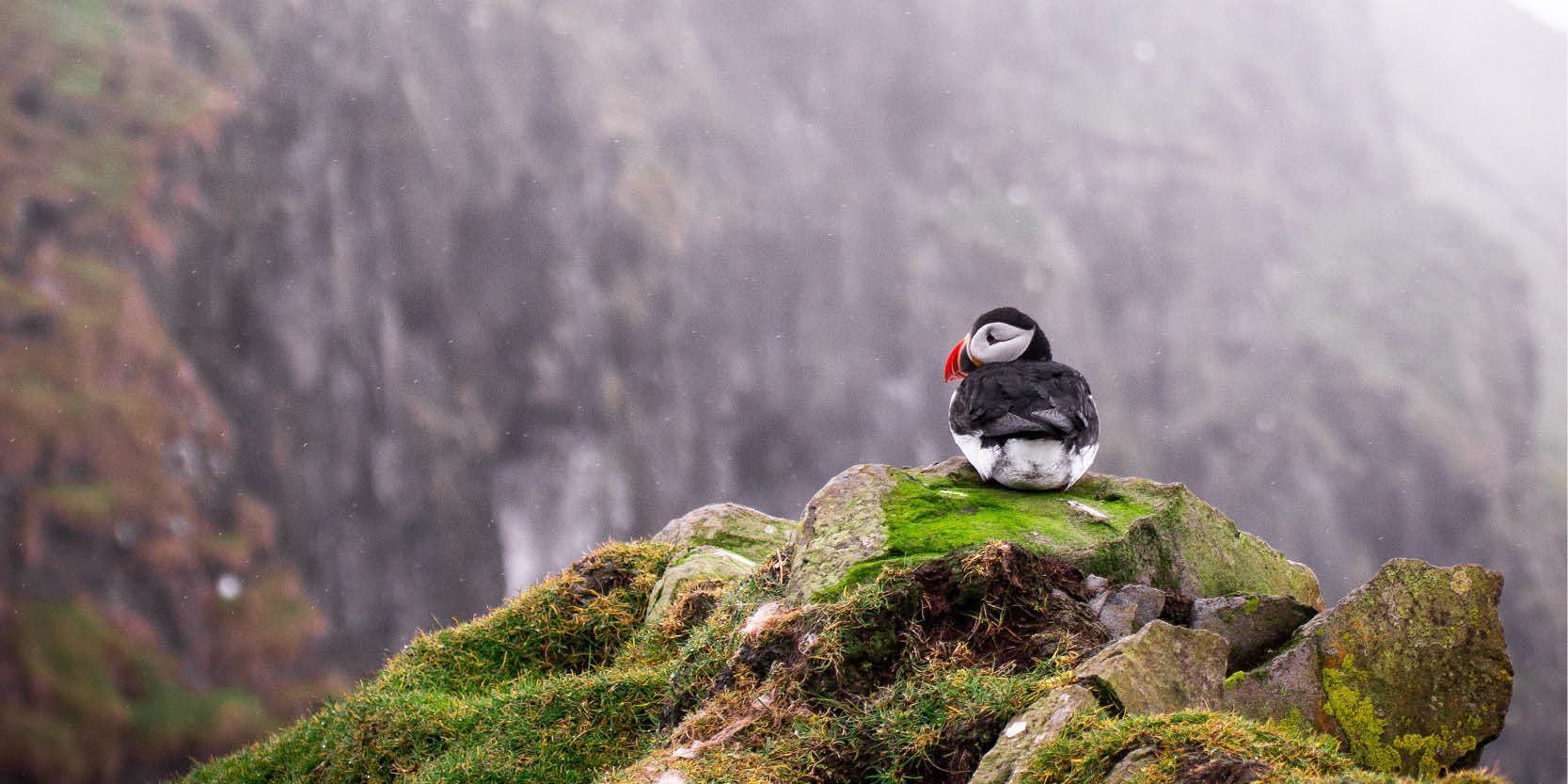
In Northern Ireland, internationally important seabird colonies are already experiencing growing pressure from warming seas, changing food availability and more frequent extreme weather events.