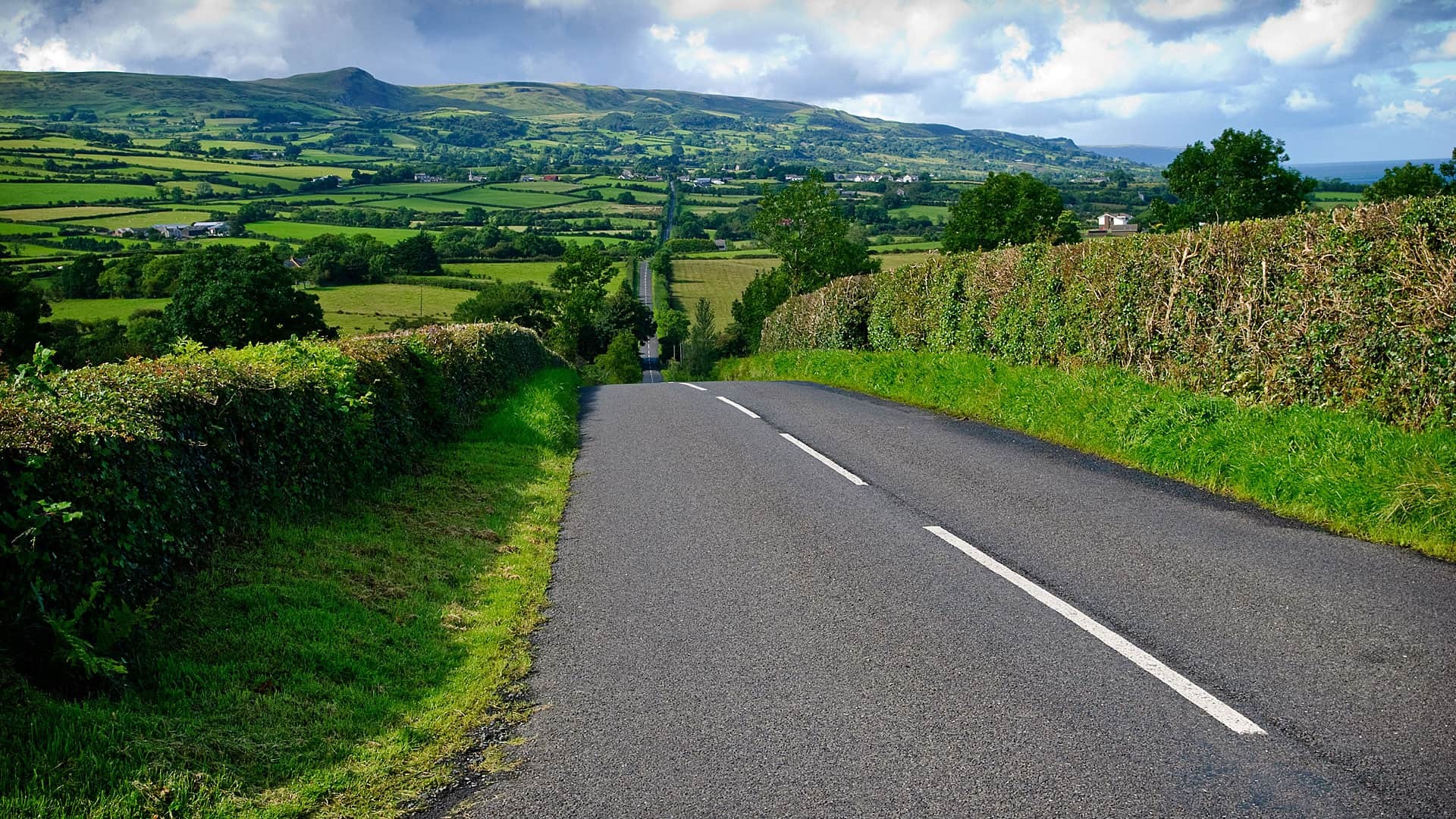
More than 50 people have died on the A5 since 2006. The case for making the road safer is evident, and the Court of Appeal’s recent decision has cleared a major hurdle for its long-awaited upgrade.
Traffic on the A5 has increased by around 10% in the past decade, with a further 30% growth forecast over the next 25 years. For supporters of the upgrade, the priority is improving safety and connections across the west of Northern Ireland. Opponents, including the Alternative A5 Alliance, have raised concerns about the impact on farmland and the environment. Both are important considerations. But it is worth stepping back to ask a broader question:
Why are so many journeys dependent on cars in the first place?
For many people in rural Northern Ireland, driving is not so much a choice as a necessity. Limited public transport and dispersed settlements can make everyday journeys difficult without a car. Better roads may help address some of these challenges, particularly where safety is concerned. But if we focus only on accommodating more traffic, we risk overlooking the wider factors that make car dependency a necessity for so many people.
This is where planning matters. Where homes are built, where services are located and what transport options are available all influence how people travel. Yet these decisions are often made separately, despite their obvious connections. The result can be a pattern of development that makes driving increasingly necessary, putting further pressure on roads and the surrounding environment.
The debate over Mid Ulster District Council’s rural housing proposals illustrates why this wider perspective matters. Through its Local Development Plan, the council sought to make it easier to build certain homes in the countryside. However, the Department for Infrastructure warned that relaxing the rules could lead to “excessive development” and damage to rural landscapes.
The issue was not simply whether another house should be allowed, but what the cumulative effect of many such decisions might be. Housing patterns also influence how people access services and how dependent they become on cars, linking rural development to the wider transport challenges facing Northern Ireland.
That is the broader point of sustainable development. It does not mean avoiding development or treating economic and social needs as secondary to environmental protection. It means considering how decisions fit together, weighing social, economic and environmental costs and benefits, and deciding how best to proceed.
Looking ahead, the A5 debate will rightly focus on safety and the needs of communities along the route. But it also offers an opportunity for a broader discussion: one in which the next road and the next house are planned in conversation with one another.