build
Case Study
Case Study

Beach Clean 2.0: Coastal Plastic Recovery and Recycling Initiative

Transforming plastic collected during community beach cleans into a valuable manufacturing resource.

Katherine Kelly, Communications & Advisory

Katherine Kelly
Communications & Advisory

Posted

15th Jul, 2026

Length

3 minute read

Type

Case study

Information

place

Location

Rathlin Island and Northern Ireland coastline

supervisor_account

Partners

Arts and Humanities Research Council (AHRC)
Future Island-Island

update

Project Status

Ongoing

ads_click

Impact Areas

Circular Economy
Marine Pollution
Community Engagement

link

Related Links

Beach Clean 2.0
Toolkit


Share

Overview 

Rathlin Island's beach clean project has grown into an innovative recycling initiative that transforms marine plastic waste into a valuable manufacturing resource. Developed through Ulster University's Future Island-Island project, Beach Clean 2.0 tackles one of the biggest challenges facing coastal conservation: finding a practical use for the damaged and contaminated plastics collected during beach cleans.

The Challenge

Northern Ireland's coastline experiences nearly three times the UK average of marine litter, with monitoring recording an average of 625 pieces of litter per 100 metres on surveyed beaches. Yet removing the waste is only part of the challenge. Beach plastics are typically degraded, contaminated and made from mixed polymers, making them difficult to recycle using conventional processes. As a result, much of the material collected during beach cleans is ultimately sent to landfill or incineration, rather than re-entering the circular economy.

The Approach

Dr Susann Power from Ulster University developed a simple collection methodology focused on material quality at the point of collection to enable circular recycling pathways.

Key measures included:

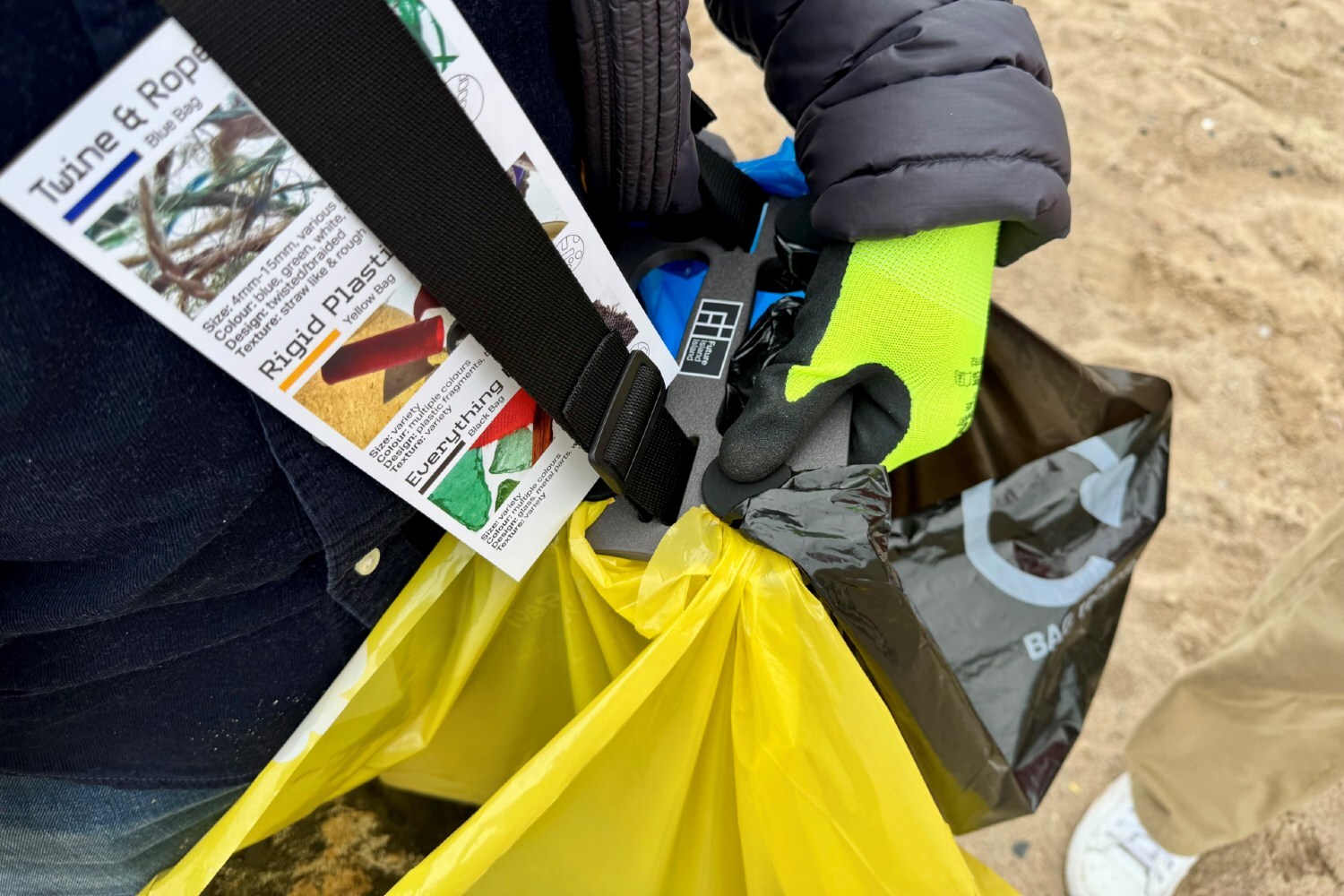
  • Introducing colour-coded collection bags to separate braided rope, rigid plastics, PP twine and fishing gear during beach cleans, creating cleaner, recycling-ready material streams.
  • Working with community groups, public bodies and recycling partners to develop a collection process that integrated with existing beach clean operations while supporting local recycling capacity.
  • Testing and refining the methodology through citizen science, with volunteers helping evaluate collection methods, logistics and usability to improve the effectiveness of circular harvesting.

The methodology is available as a downloadable toolkit.
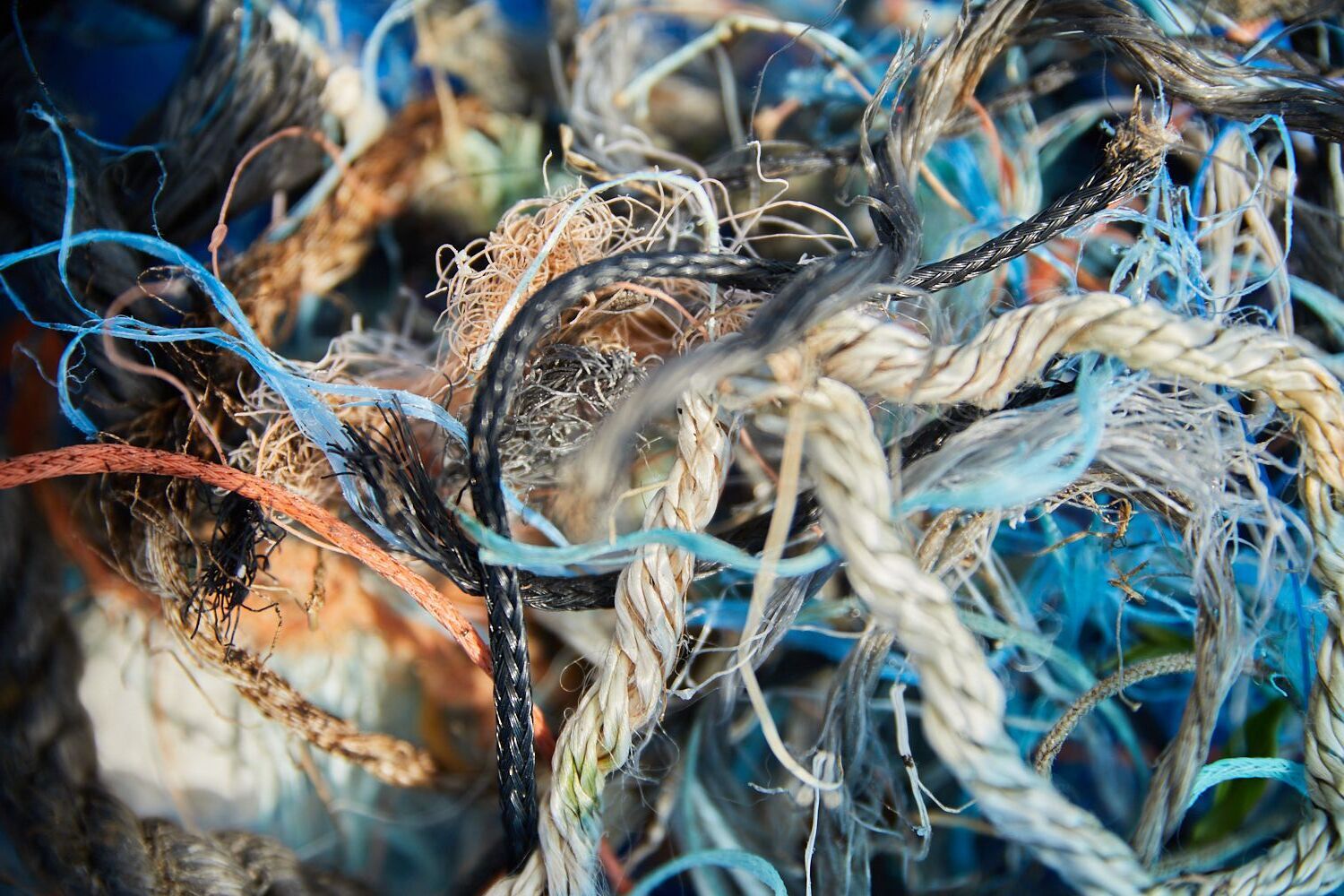
  • Degraded and contaminated marine litter recovered from surveyed beaches.
    Degraded and contaminated marine litter recovered from surveyed beaches.
  • Colour-coded collection bags to separate material streams.
    Colour-coded collection bags to separate material streams.
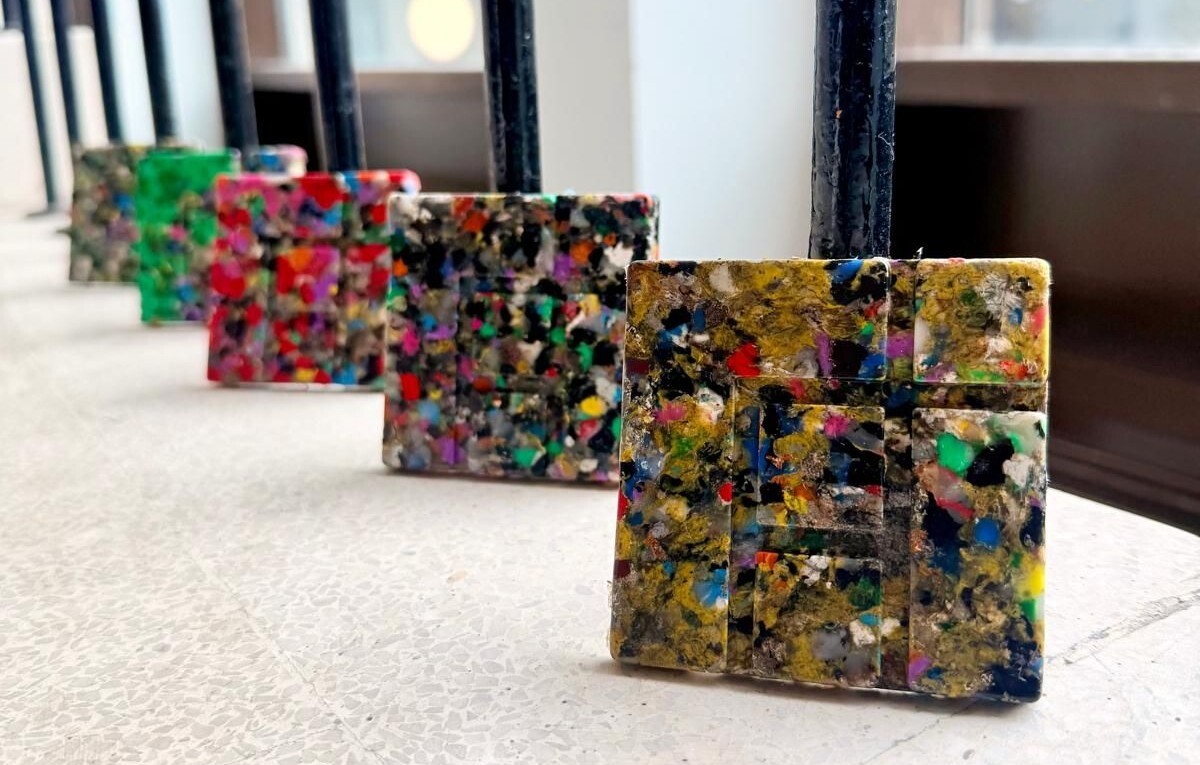
  • Recycled polymer tiles made from mixed rigid plastics.
    Recycled polymer tiles made from mixed rigid plastics.

The Outcome

Beyond improving waste collection, the project demonstrated that these materials could be transformed into new manufacturing resources. Polypropylene fishing twine was converted into 100% recycled 3D-printing filament, while mixed rigid plastics were compression moulded into polymer tiles, proving multiple pathways for remanufacturing. 

Why it Matters

Beach Clean 2.0 provides a transferable model for coastal communities seeking to tackle marine pollution through circular economy principles. The project demonstrates that beach litter can be treated as a resource instead of waste. Recovered marine plastics become manufacturing feedstock, creating new value while strengthening community participation in environmental stewardship. The approach offers practical lessons for regions looking to reduce plastic pollution, improve resource recovery and build local circular supply chains.

Generously supported by:
keyboard_arrow_up