history_edu
Article
Article

Heatwave Exposes Growing Pressure on Northern Ireland’s Water Resilience

Castlederg recorded three consecutive days above 25°C as Northern Ireland faces renewed concerns around water demand.

Katherine Kelly, Communications & Advisory

Katherine Kelly
Communications & Advisory

Posted

18th Jul, 2026

Length

2 minute read

Type

News

Share

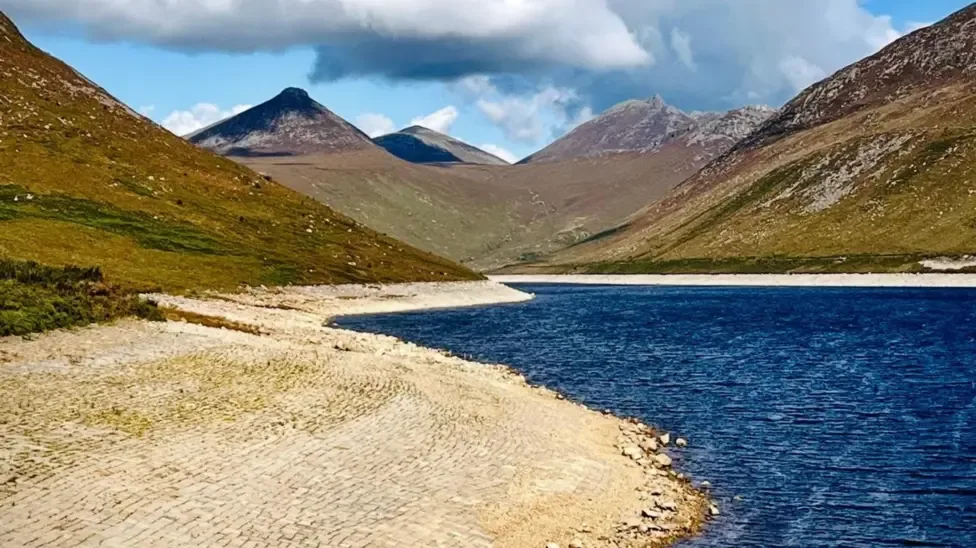
  • A prolonged dry spell has left water levels visibly low at Kilkeel’s Silent Valley reservoir. Photo: Alice Louise BBC Weather Watcher
    A prolonged dry spell has left water levels visibly low at Kilkeel’s Silent Valley reservoir. Photo: Alice Louise BBC Weather Watcher

Northern Ireland has experienced its second heatwave of the summer, with temperatures reaching the mid-to-high 20s and renewed attention on the need for water conservation during prolonged warm, dry spells. 

According to the met office, Northern Ireland has received little rainfall since 4th of July.

Heatwave conditions were officially reached after Castlederg in County Tyrone recorded temperatures above 25°C for three consecutive days, including 26.4°C on Sunday, 25.1°C on Monday and 25.7°C on Tuesday.

Castlederg is also the site of Northern Ireland’s highest recorded temperature, 31.3°C, which was set in July 2021. 

Forecasts suggest temperatures will remain warm for the next few days, maintaining pressure on water resources and increasing demand from households and agriculture.

The latest heatwave reflects wider climate trends, with scientists warning that human-driven climate change is increasing the frequency and intensity of extreme weather events, including heatwaves and drought conditions.

Across the UK and Ireland, repeated periods of unusually high summer temperatures has highlighted the challenges of adapting infrastructure, people and wildlife.

Belfast Zoo has been helping its animals cope with the heat, offering ice pops to chimpanzees and meerkats, ice blocks to gorillas and water sprays for giraffes.
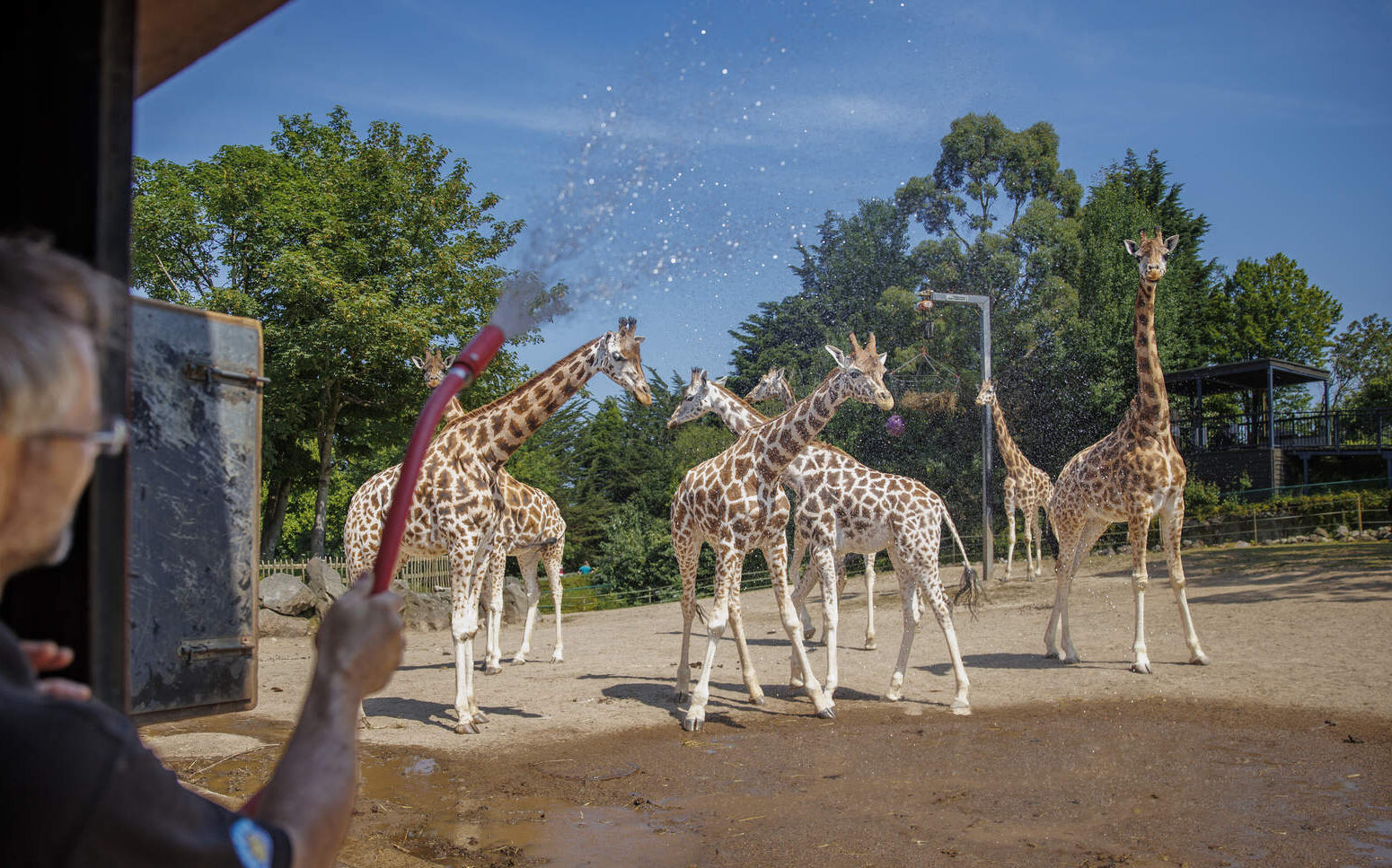
  • As temperatures rise across Northern Ireland, giraffes at Belfast Zoo enjoy a cooling mist provided by their keepers. Photo: Liam McBurney/PA Wire
    As temperatures rise across Northern Ireland, giraffes at Belfast Zoo enjoy a cooling mist provided by their keepers. Photo: Liam McBurney/PA Wire

Reducing Water Demand

Northern Ireland Water is encouraging customers to reduce unnecessary water use where possible. 

Practical measures include turning off taps while brushing teeth, keeping showers short, using a bowl when washing vegetables, running washing machines only when full, fixing leaks promptly and collecting rainwater for gardens.

As Northern Ireland experiences warmer and potentially drier conditions more frequently, preparing for climate impacts will be essential to protecting water security, biodiversity and community resilience.

Generously supported by:
keyboard_arrow_up